A Beginner's Guide: How to Read Nutrition Labels for Better Blood Sugar Control
Empowering you to make informed food choices for optimal health.
Managing diabetes effectively often comes down to making smart food choices. While it might seem daunting at first, mastering the art of reading nutrition labels is one of the most powerful tools in your arsenal. It's not just about counting calories; it's about understanding what you're fueling your body with.
Step 1: Check the Serving Size
This is arguably the most critical first step. All the nutritional information on a label—calories, carbs, fats, everything—is based on a single serving. If you eat two servings, you're consuming double the nutrients listed. Always start here to accurately assess your intake.
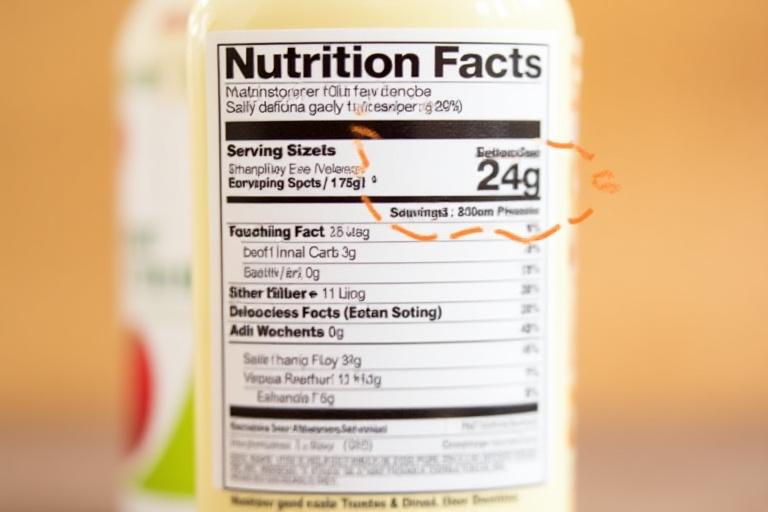
Step 2: Focus on Total Carbohydrates
For blood sugar management, **Total Carbohydrates** is your key number. This includes sugars, starches, and fiber. Why is this so important? Carbohydrates are broken down into glucose, directly impacting your blood sugar levels.
Look at the breakdown:
- Dietary Fiber: A type of carbohydrate that doesn't significantly raise blood sugar. In fact, it can help slow down sugar absorption. Aim for foods with higher fiber content.
- Total Sugars: Includes naturally occurring sugars (like in fruit) and added sugars. Pay close attention to added sugars, as these contribute to unnecessary calorie intake and blood sugar spikes. Our goal is to limit these.
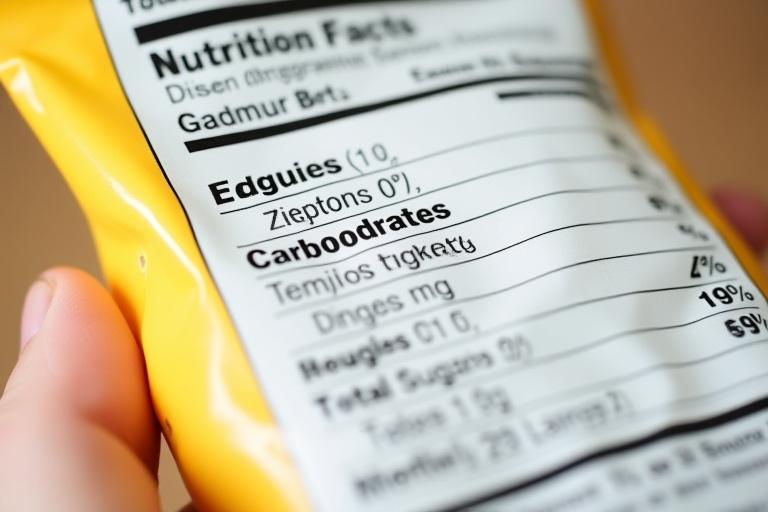
Step 3: Understand Fats & Sodium
While carbs directly impact blood sugar, fats and sodium play crucial roles in overall health, especially for individuals with diabetes who may be at higher risk for heart disease. Limit saturated and trans fats, and choose foods lower in sodium to support cardiovascular health.
Step 4: Don't Forget Protein
Protein is essential! It helps you feel full, supports muscle health, and can help stabilize blood sugar by slowing down the absorption of carbohydrates. Look for lean protein sources when reading labels.
Example Walkthrough: Decoding a Label
Let's look at a typical nutrition label together. Imagine you're holding a box of your favorite crackers. Here's what you'd analyze:
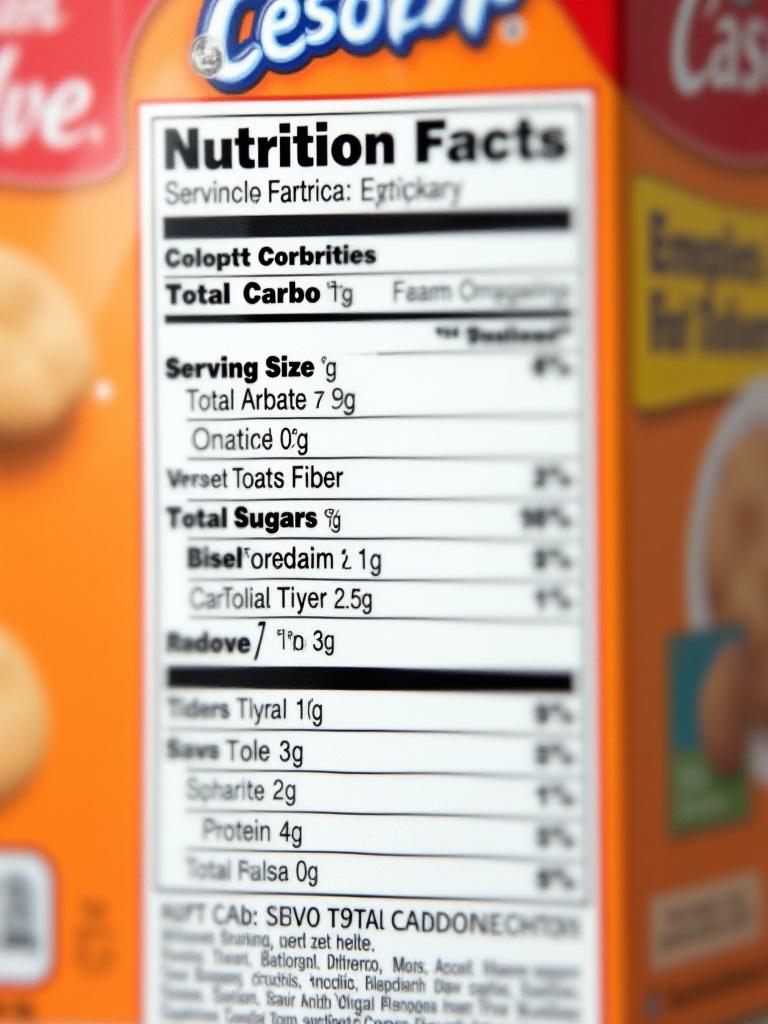
- Serving Size: Is it 5 crackers? 10? Adjust your mental math if you plan to eat more or less.
- Total Carbohydrates: If it's 20g per serving, and you eat two servings, that's 40g of carbs.
- Dietary Fiber: Does it have 3g of fiber? Great! That will help balance the carbs.
- Sugars: Are there 5g of Total Sugars, with 4g of Added Sugars? That's a lot for crackers, indicating they might not be the best choice.
- Protein: If it has 2g of protein, that's a small amount. You might want to pair these crackers with a protein source like cheese or hummus.
Simplify Your Choices with Sunrise Sustenance
Overwhelmed by nutrition labels? Our AI-powered app analyzes thousands of foods instantly, generating personalized meal plans that fit your needs and help you maintain optimal blood sugar control. We do the math, so you can live healthier.
Discover Our FeaturesConclusion: Empower Your Health
Reading nutrition labels doesn't have to be a chore. With a little practice, it becomes a powerful habit that empowers you to make informed decisions about your diet. Remember these key takeaways: start with serving size, prioritize total carbohydrates (especially fiber and added sugars), be mindful of fats and sodium, and embrace protein. Sunrise Sustenance is here to support you at every step, making healthy eating simple and accessible.